Frank
Frank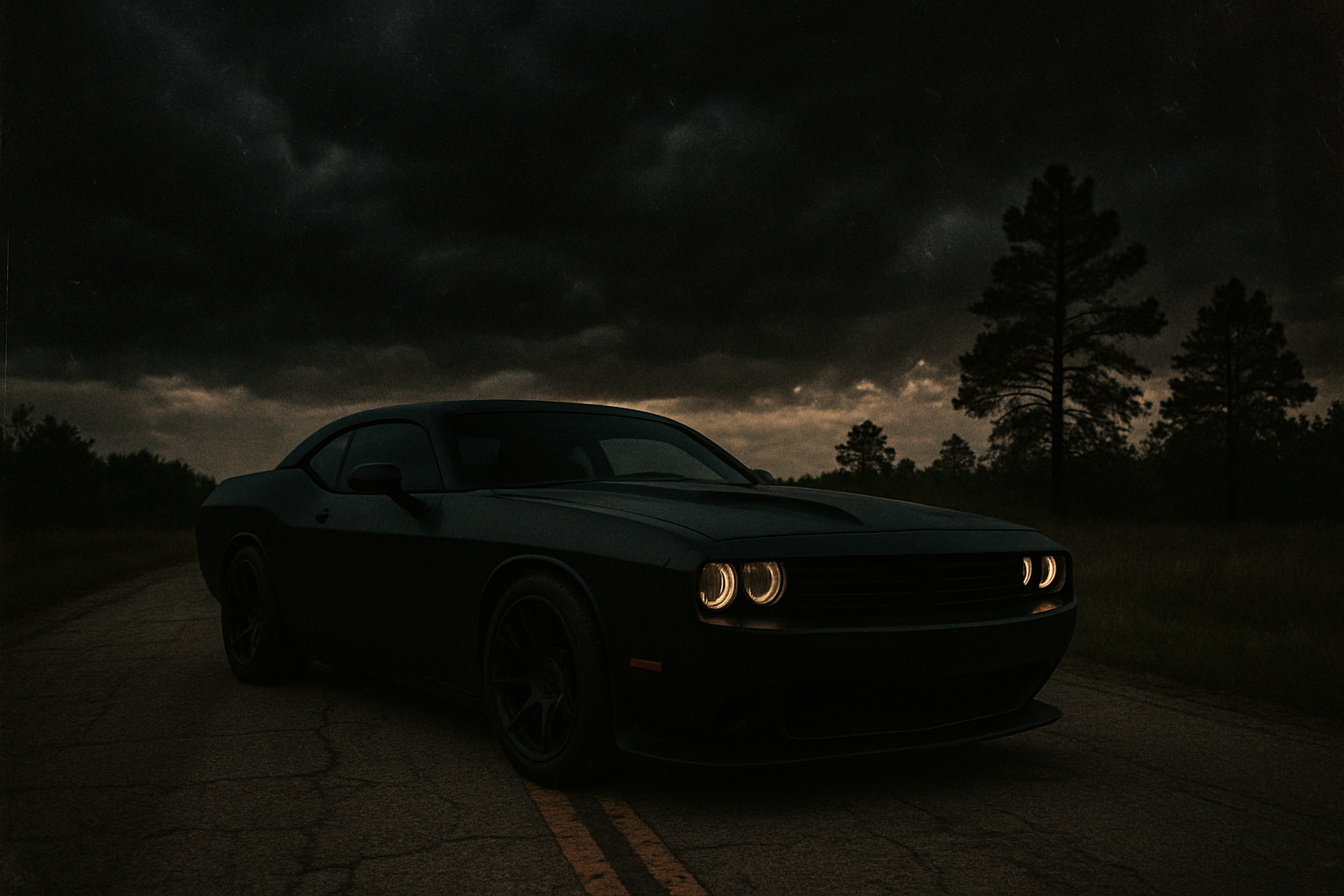
There’s a guy in a Facebook car group I follow who posts the same argument about once a month. Different car, same argument. “It’s not a real muscle car if it doesn’t have a V8.” He’s been doing it for years. He’ll be doing it when they’re putting him in the ground.
I used to nod along with him. Now I’m not so sure he’s actually talking about cars.
Here’s what I mean. The original muscle car era, the stuff from the mid-60s through the early 70s, that whole golden window existed because of a very specific set of circumstances. Cheap gas. An insurance industry that hadn’t figured out how to punish you for it yet. Factory engineers who were also gearheads. And a buying public that wanted to go fast on Friday night and still make it to church Sunday morning. That formula produced some of the most outrageously over-engineered machines ever to roll off an American assembly line, and I love every single one of them without apology.
But that world is gone. It’s been gone for fifty years.
The Charger Daytona drops a twin-turbo inline-six into an EV-adjacent platform, and the purist crowd acts like Dodge just set fire to the flag. Meanwhile the thing puts down north of 500 horsepower, sounds like something that crawled out of a bad dream, and can still roast tires on demand. By every measurable performance standard it would absolutely eat a 1970 Charger R/T alive on any track you’d care to name. But it doesn’t have eight cylinders, so apparently it doesn’t count.
I grew up in Middle Georgia. Milledgeville. Cars were not a hobby where I came from, they were more like a personality type. You were a Mopar guy or a Chevy guy or, occasionally, you were wrong. I understood that language before I could spell it. So when I say what I’m about to say, I’m saying it as somebody who has skin in this.
The anger isn’t about the engine configuration. It’s about the fact that the car no longer requires the same kind of knowledge to appreciate. A 440 Six Pack was a thing you had to understand to love. You had to know what it was, what it meant, why it was different from the regular 440. That knowledge was a membership card. It separated people who cared from people who were just buying a product.
Modern muscle is a product. A brilliant one, in a lot of cases, but a product. The Hellcat era made 700 horsepower available to anyone with decent credit and no criminal record. The Charger Daytona is going to make insane performance available to people who’ve never owned a torque wrench in their lives. And the old guard hates that because it dissolves the thing that made them special.
I get it. I really do. I’ve got 28 years in IT and I feel the same twitch when some kid who’s been in the field for three years tells me he’s a senior engineer because he passed a cloud certification. Expertise without earned context is a real thing to be frustrated about.
But here’s where I land differently than the Facebook guy. The car is not responsible for protecting your identity. That’s your job.
A modern Dodge muscle car with a turbo six and 550 horsepower isn’t an insult to a 1969 Charger. It’s evidence that the original idea had legs. The original idea was: build a fast, aggressive American car that makes people feel something when they see it. That idea survived emissions regulations, the malaise era, insurance bloodbaths, and now electrification. It’s still here. It looks different because the world is different. But it’s still here.
My old man’s generation watched muscle cars get strangled by the mid-70s. They mourned it. Then the Fox Body came along and people said it wasn’t real. Then the LT1 Camaro, same story. The SRT era, same story. Every generation of fast American car has had to fight for its legitimacy with the generation that came before it.
At some point you have to ask yourself whether you love the idea or whether you love having a thing other people can’t claim.
Those are two completely different things, and only one of them has anything to do with cars.