The Cheap Truck Doesn’t Lie to You About What You Actually Want
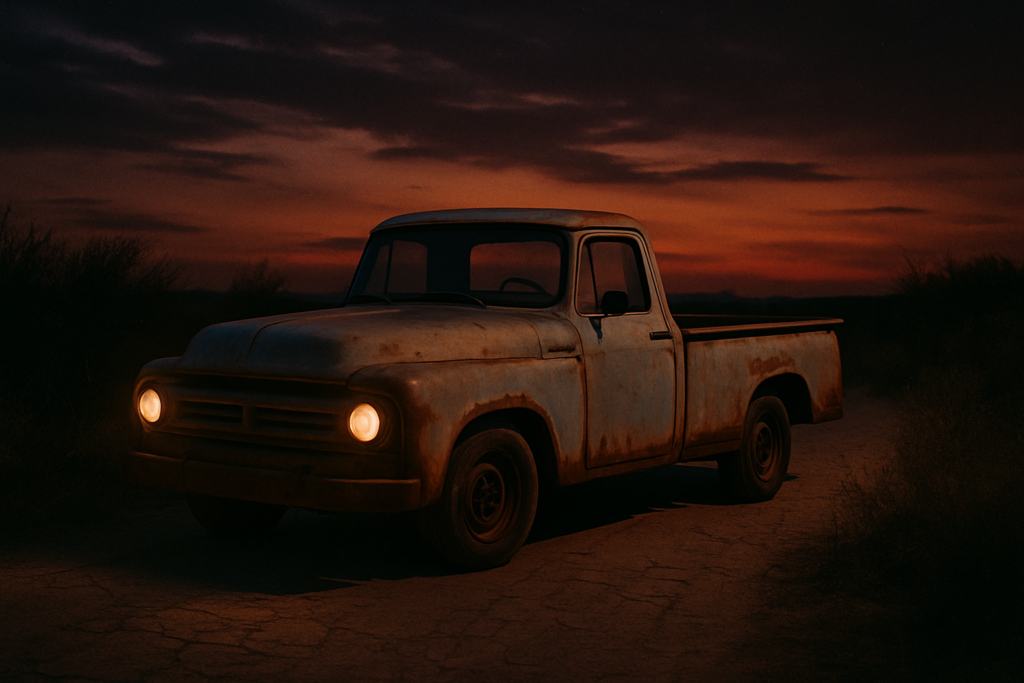
Everyone says they want reliability. Then they buy a 20-year-old truck with 180,000 miles on it. That gap between what you say and what you do is the whole story.
Loss doesn’t just shape human identity, it *is* human identity, in a way that’s either profound or catastrophically inefficient depending on whether you’re the one carrying it or the one trying to build a system around it.
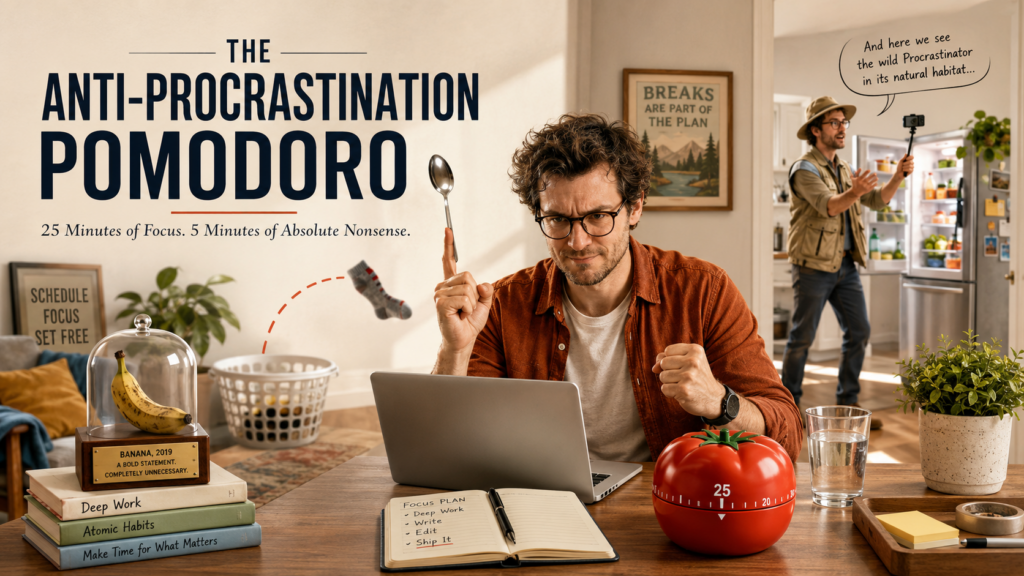
Rule: During each 25-minute block, your only job is to stay with the task—not finish it, perfect it, or enjoy it. Starting ugly still counts. Time What to do 0:00–0:02…
A senior systems engineer with nearly three decades of experience reflects on the gap between professional aptitude and personal temperament, tracing how an accidental entry into IT became a career…
A resume tells you what someone survived long enough to get paid for. What they do with their free time, their own money, and their own attention tells you who they actually are.
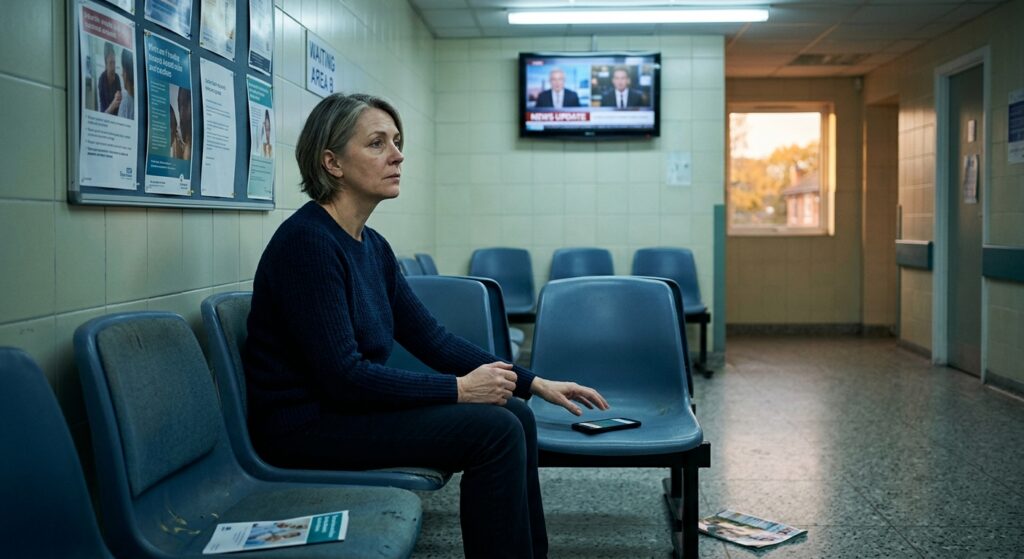
I spent 55 years being exhausted without knowing why. Turns out I was running a performance in the background 24 hours a day, and the terrifying part isn’t that I was doing it, it’s that I got so good at it I couldn’t even see it anymore.
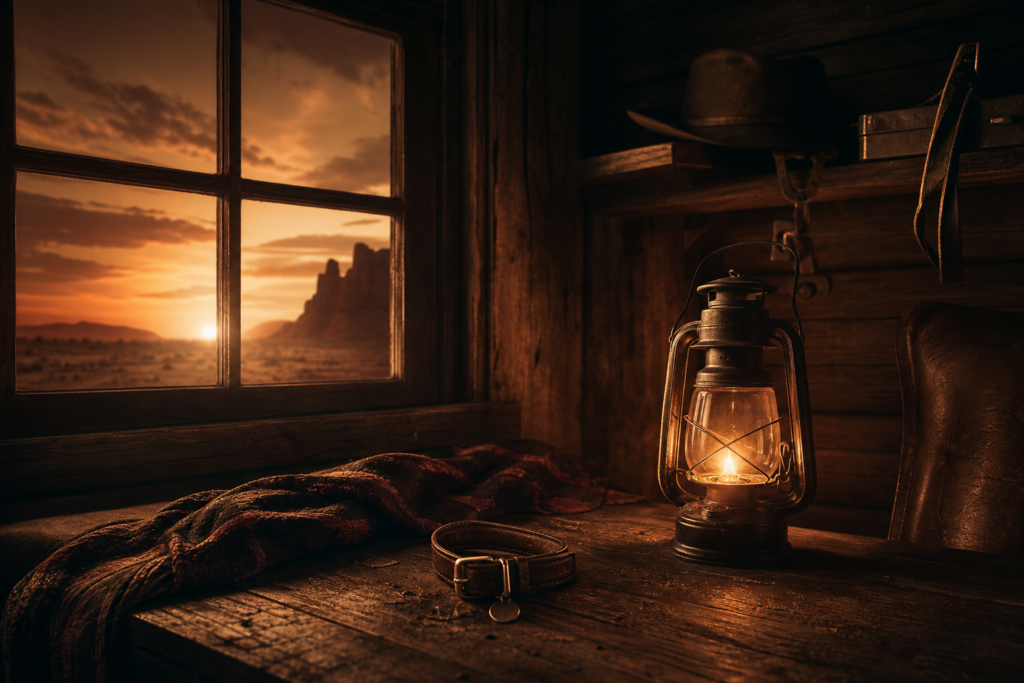
Flash was a sixteen-year-old Miniature Dachshund who got put down on December 22, 2025, and Oakley is a five-year-old German Shepherd who is a completely different animal in every sense of the word. Neither one of them is a replacement for the other, and that’s not a problem to solve.
Boredom was never the enemy. For most of human history, idle time quietly powered memory consolidation, creative insight, and empathy through the brain’s default mode network. Smartphones and algorithmic feeds have colonized those cognitive gaps, training our brains away from depth and sustained thought. Frank argues we didn’t fix boredom — we amputated it, and we’re only beginning to feel what’s gone.
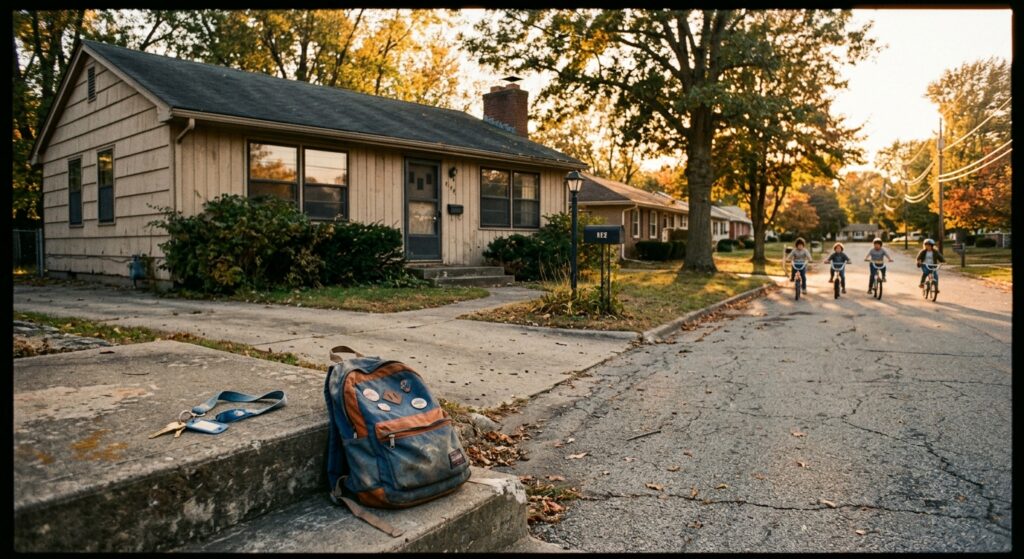
Growing up as a Gen-X latchkey kid on Lakeside Drive in Milledgeville, Georgia meant coming home to empty houses, cooking dinner at eleven, and figuring everything out alone. Frank reflects honestly on how that unsupervised childhood built real capability, resilience, and problem-solving instincts while also leaving lasting wounds around emotional regulation, isolation, and decades of undiagnosed AuDHD.
Somewhere along the way, the performance became the person. Or at least, that’s what I thought. The scariest part of the AuDHD diagnosis wasn’t what it explained, it was what it revealed about how thoroughly I’d hidden the evidence, even from myself.