Your NAS Is Not a Backup. Your Backup Is Not Verified. Your Verified Backup Has Not Been Tested. We Can Stop Here.
Most people have a storage strategy, not a backup strategy. There’s a difference, and you will learn it at the worst possible time.
Most people treat NAS like a glorified external hard drive. I’m here to tell you that’s exactly where they go wrong, and I’ve got four of them to prove it.
Some machines earn their place on the network. Others just refuse to leave. Knowing the difference has cost me more than I’d like to admit.
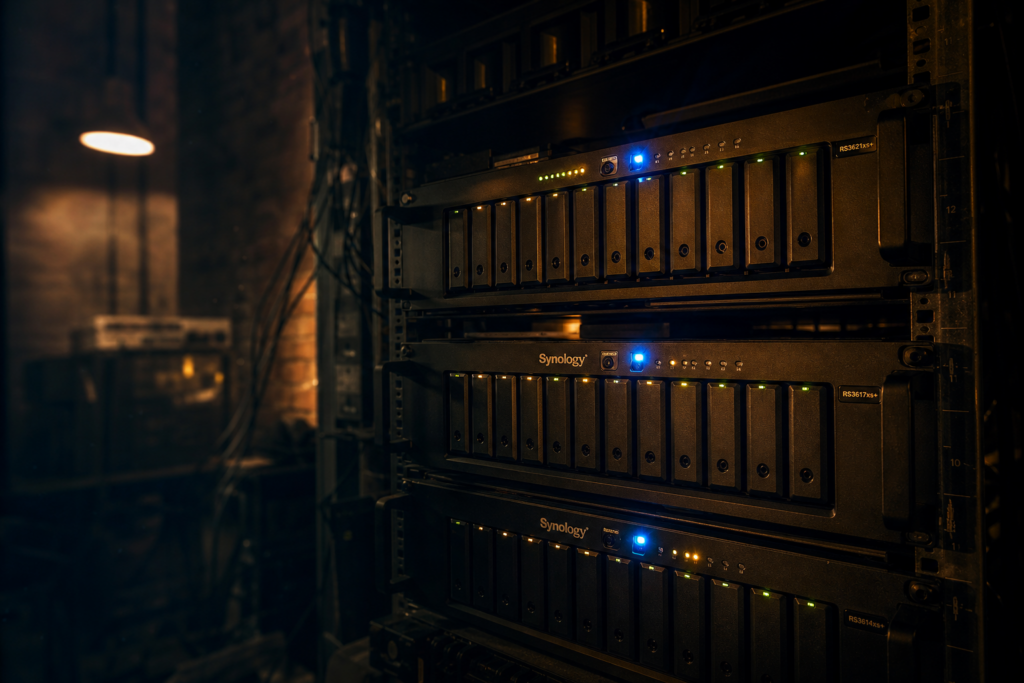
Five years ago I was building a home lab the way most people do it, by stacking hardware and hoping for the best. Here’s what I wish somebody had kicked down my door and told me before I wasted the time and money I did.
The shop will sell you a subwoofer. They won’t tell you about the four other things that determine whether it sounds like music or a problem you paid to create.
If I could go back and talk to 2020-version-me standing in front of a half-racked server and a pile of ambition, the first thing I’d say is: slow down and draw a map before you plug in a single cable.
After years of wrestling with NGINX blocks and Apache directives, I switched to Caddy and realized the problem was never my configs. It was everything I’d accepted as normal.
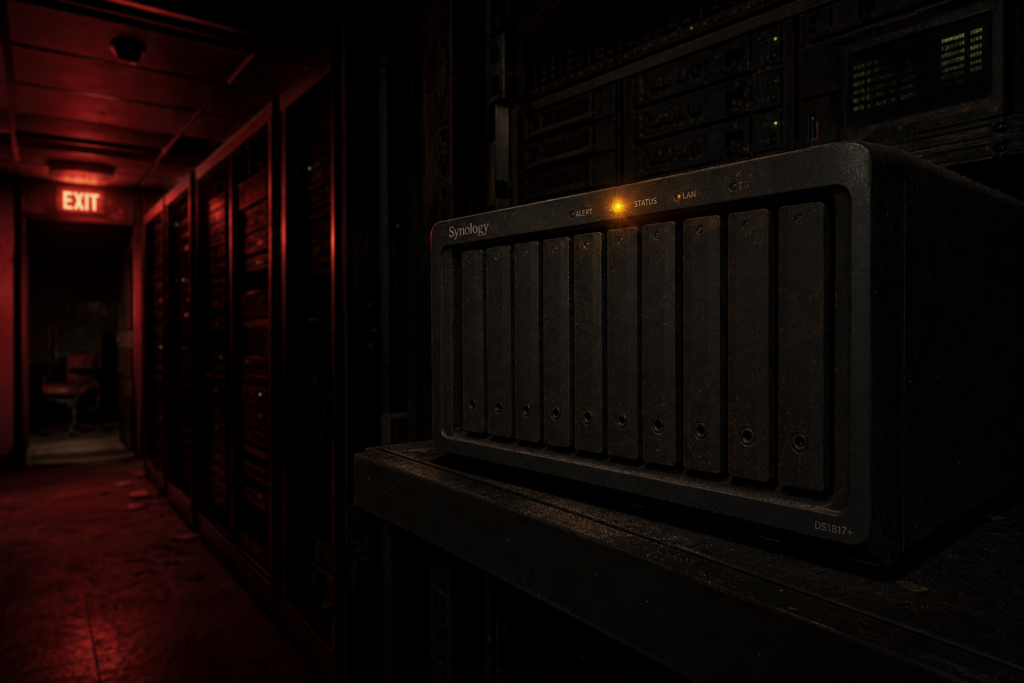
I own both QNAP and Synology hardware, and the most useful thing I’ve learned has nothing to do with throughput or RAID types.
Not every self-hosted service earns its keep. Here’s an honest look at the ones I spun up with good intentions, ran for a while, and eventually shut down without a single regret.
I had 70TB of storage across four NAS units and still felt like my family photos were one drive failure away from disappearing. Immich didn’t fix my storage problem — it fixed my trust problem.