Frank
Frank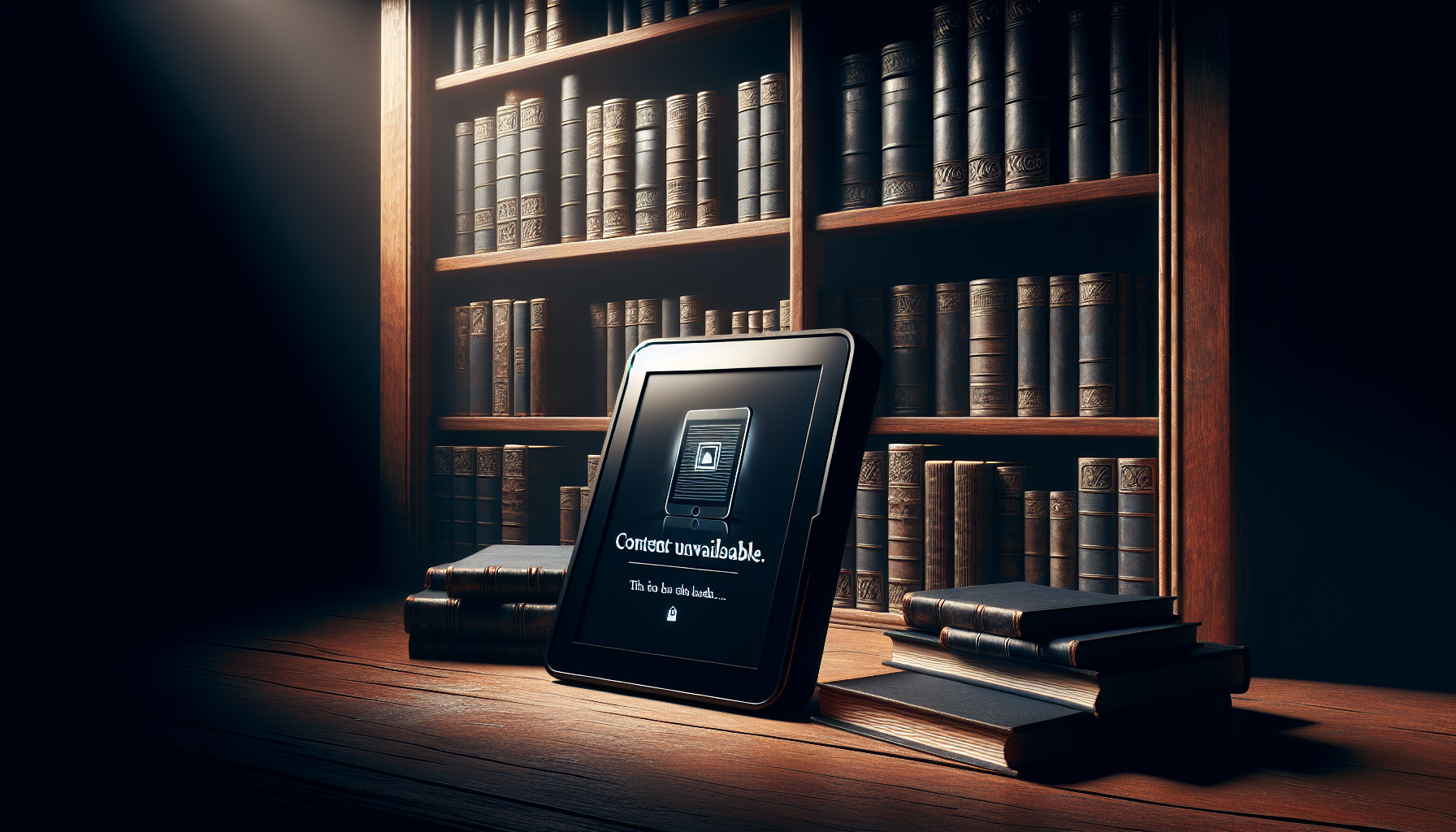
Remember when you bought something and it was yours? I’m talking about the simple act of walking into a store, handing over money, and walking out with something that belonged to you. No subscriptions, no license agreements, no “terms of service” that could change tomorrow.
That world is disappearing faster than good manners at a Black Friday sale.
We’re All Renters Now
I realized how far we’d fallen when my neighbor called me last month. His Kindle had eaten his entire library overnight. Not literally eaten, mind you, but Amazon had decided some books he’d “purchased” years ago were no longer available in his region. Poof. Gone. Hundreds of dollars worth of books, vanished because someone in Seattle updated a database.
This isn’t ownership. It’s digital sharecropping.
When you buy a book on Kindle, you’re not buying a book. You’re buying a revocable license to access that book under Amazon’s terms. Same goes for your iTunes music, your Steam games, your Netflix shows you downloaded for offline viewing. You own none of it.
The tech companies have pulled off the greatest bait-and-switch in consumer history, and we barely noticed because the convenience was so damn good.
The Subscription Trap
Streaming started as a better deal than cable. Remember when Netflix was eight bucks and had everything? Those days are as dead as Blockbuster. Now you need Netflix, Hulu, Disney+, HBO Max (or whatever they’re calling it this week), Amazon Prime, Apple TV+, and Paramount+ just to watch the shows your friends are talking about.
I counted up my family’s subscriptions last year. Between streaming services, cloud storage, software licenses, and app subscriptions, we were spending over $200 a month on digital services. That’s more than my first car payment.
The real kicker? Cancel any of these services and your content disappears. All those playlists on Spotify, your carefully curated Netflix queue, years of photos in Google Photos. Gone, unless you keep paying the monthly toll.
Why This Matters More Than You Think
This isn’t just about money, though that’s part of it. It’s about control. When you don’t own your digital life, someone else controls it. They decide what you can access, when you can access it, and how much you’ll pay for the privilege.
I learned this the hard way with Google Play Music. I’d spent years building playlists, discovering new artists, rating thousands of songs. Google killed the service and migrated everything to YouTube Music, except the migration was about as smooth as a gravel smoothie. Half my playlists disappeared, and my carefully curated music taste got fed through Google’s algorithm meat grinder.
That’s when I started buying vinyl again. Not because I’m a hipster, but because I wanted to own something that couldn’t be yanked away by a corporate decision made in a boardroom I’ll never see.
The Older Folks Had It Right
My dad still buys DVDs. I used to tease him about it, but now I see the wisdom. That copy of “The Shawshank Redemption” will work as long as he’s got a player, regardless of which streaming service has the rights this month.
Physical media is becoming a luxury item, which is backwards as hell. The thing that should be cheaper (because you’re not paying for ongoing server costs and bandwidth) now costs more because it’s “niche.”
What You Can Actually Do
I’m not saying go full Luddite and throw your smartphone in the creek. But you can make smarter choices about what you rent versus what you own.
For media that matters to you, buy it outright when possible. That album you’ve listened to a hundred times? Buy the MP3s or the vinyl. That movie you watch every Christmas? Get the Blu-ray.
For software, look for one-time purchase options instead of subscriptions when they exist. Support companies that let you actually own what you buy.
Keep local backups of important data. Cloud storage is convenient, but it’s not ownership. That family photo collection needs to exist somewhere that isn’t dependent on your monthly payment to Google or Apple.
The Real Cost of Convenience
Here’s the thing nobody talks about: all this renting is more expensive in the long run. That $10 monthly Spotify subscription costs $120 a year. In five years, you’ve spent $600 and own nothing. For that same money, you could have bought 40-50 albums that would be yours forever.
The tech companies know this math doesn’t work in our favor. That’s why they’ve made the rental option so much more convenient than ownership. Why deal with managing files when everything’s in the cloud? Why worry about storage when it’s all streamed?
Because when the music stops, you want to make sure you’ve got a chair.
The shift away from digital ownership isn’t some unstoppable force of nature. It’s a business model choice that prioritizes recurring revenue over consumer rights. We can choose differently, but only if we recognize what we’re losing and decide it’s worth fighting for.
Start small. Buy one album instead of streaming it for a month. Download a backup of your photos. Own something digital that can’t be taken away by the next terms of service update.
Your future self will thank you when the servers go dark.