Frank
Frank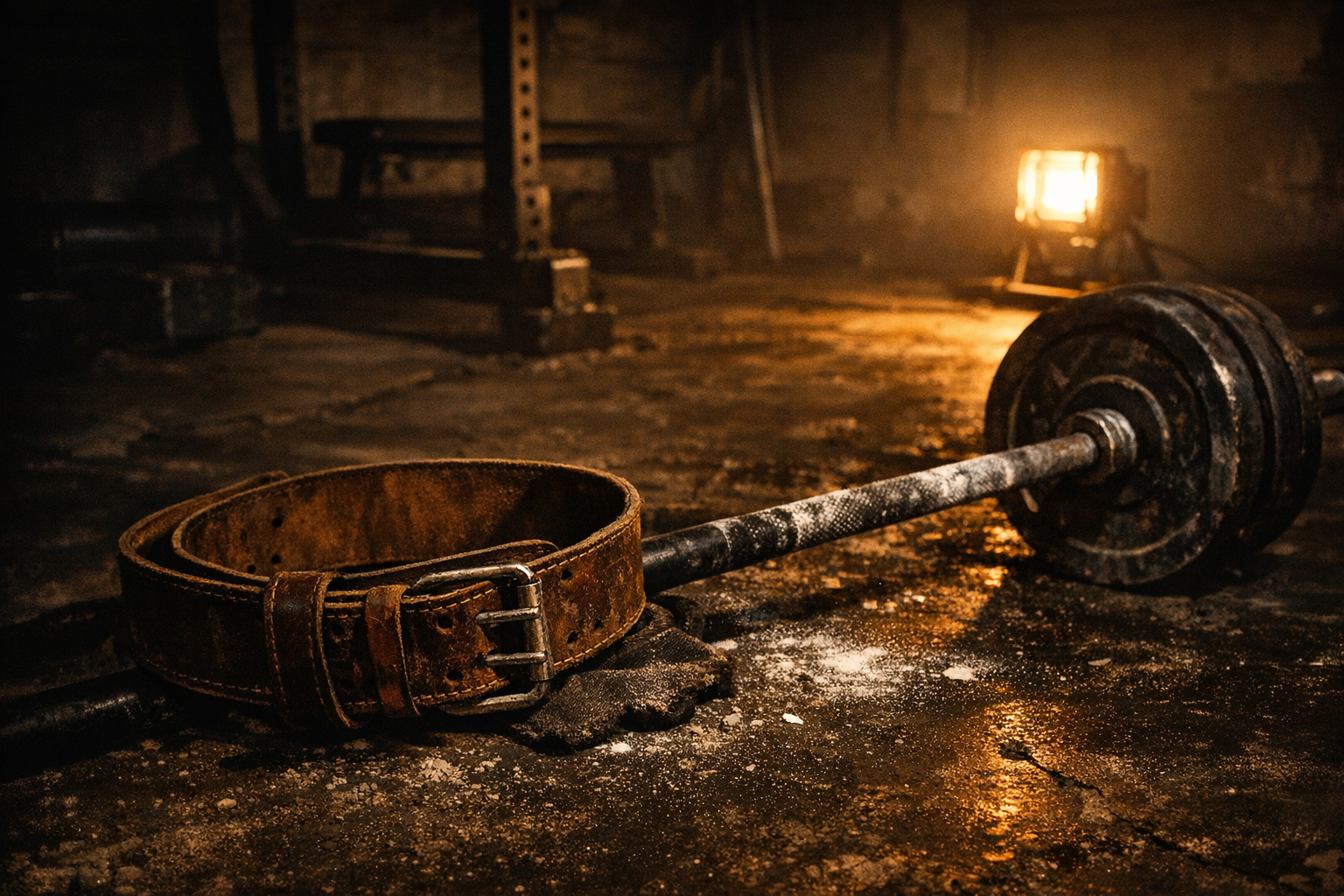
I bought a lifting belt before I had any business owning one. It sat in a bag for four months while I figured out what I was actually doing in the gym.
That’s not a unique story. That’s practically a rite of passage for anyone who gets serious about lifting. You get fired up, you start watching videos, and suddenly you’re reading reviews on specialty equipment at 11 PM like you’re about to compete nationally. Meanwhile your squat form looks like a question mark.
Here’s what I wish somebody had sat me down and said.
The gear doesn’t make you ready. Being ready makes the gear useful.
A belt, wrist wraps, knee sleeves, chalk, lifting shoes, all of it has a legitimate purpose. But every single one of those tools is designed to support a movement pattern you already know how to execute. They’re multipliers, not trainers. If you put a belt on a broken squat, you just get a more confident broken squat.
I wasted real money on that sequencing problem. Bought a good belt too early, bought shoes that were wrong for my build, bought straps before my grip was actually a limiting factor. Every one of those purchases felt smart at the time because I’d done the research. I just hadn’t done the reps.
Spend the First Six Months Earning Ugly Numbers
The honest answer to “what gear do I need to start?” is almost nothing. Decent shoes with a flat sole, maybe some chalk if your gym allows it. That’s largely it for the first several months.
What you actually need in that window isn’t gear. It’s volume, consistency, and a willingness to lift lighter than your ego prefers. The strength adaptations that make you a lifter happen in the muscles, tendons, and connective tissue, and that stuff takes time that no piece of equipment can shortcut. Trust me, my distal bicep tendon knows this as fact!
I work best under deadlines I pretended didn’t exist until 20 minutes ago, and that personality trait absolutely infected the way I approached gear early on. I kept buying things to feel like I was progressing instead of just doing the work. It’s a trap with a very short checkout process.
When gear actually makes sense:
- A belt makes sense when you’re squatting and deadlifting weights that put real compressive load on your spine, and when you already know how to brace properly without one.
- Knee sleeves make sense when your joints are telling you something, not when you want to look like the guy in the videos.
- Lifting shoes make sense once you understand your own mechanics well enough to know whether heel elevation actually helps your squat or masks a mobility problem.
- Straps make sense when your grip is genuinely failing before your target muscles. Not before.
The rule I’d give myself five years ago is this: if you can’t explain exactly why a piece of gear solves a specific problem you’ve already identified, you don’t need it yet.
None of this is me telling you to cheap out. Quality matters. A good belt is worth the money when the time is right, and bad shoes will mess with your mechanics in ways you won’t immediately connect to the footwear. When you buy, buy right.
But buy late, not early.
The gym will still be there after you’ve actually figured out what you need. The gear will still exist. And you’ll make a much smarter purchase when you’re buying it to solve a real problem instead of buying it to feel like you’re taking this seriously.
Taking it seriously looks like showing up. The rest follows.