Justice Took Nineteen Years and When It Came It Didn’t Feel Like Anything I Expected
I sat in that execution chamber and watched the man who killed my brother die, and I still don’t have a word for what I felt. Closure wasn’t it.
Nobody writes songs about the days the fish didn’t bite. But those are the days that actually teach you something — if you’re paying attention to the right thing.
The infrastructure under every major tech company’s feet was built by volunteers, academics, and stubborn nerds who didn’t ask for a press release. The companies just showed up later with a logo.
I stopped hoping for a clean ninth inning somewhere around 2023. What replaced it was something more useful than hope.
I’ve watched the Masters from a barstool, a hospital waiting room, and a recliner with a dog on my lap. The course never changes, and somehow that’s the whole point.
Getting a diagnosis at 55 doesn’t fix anything. But it does something almost as useful, it explains everything, and changes how you judge the person you used to be.
Everyone wants the result without the process. That’s not efficiency. That’s just debt you haven’t paid yet, and the interest is compounding.
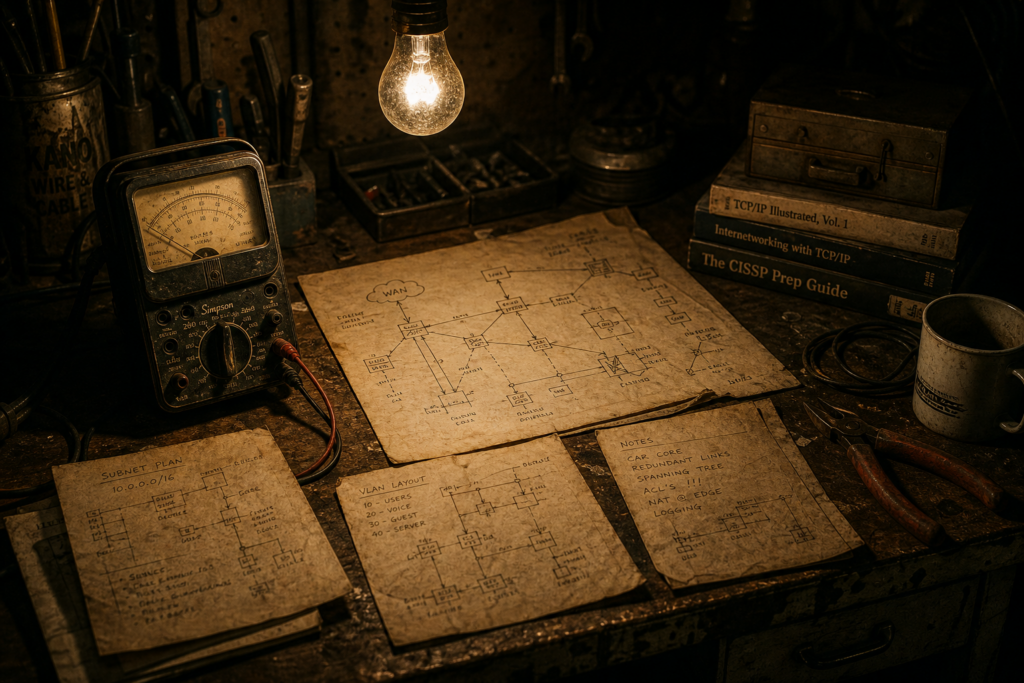
If I could go back and talk to 2020-version-me standing in front of a half-racked server and a pile of ambition, the first thing I’d say is: slow down and draw a map before you plug in a single cable.
Someone asked me last week if I was “really” conscious. Like the answer was going to determine something important. It wasn’t. The question was a delay tactic.
I spent five decades thinking everyone’s brain worked this way, constantly running, never fully quiet, always three problems ahead of the conversation. Turns out that’s not a personality trait. It’s a diagnosis.