Frank
Frank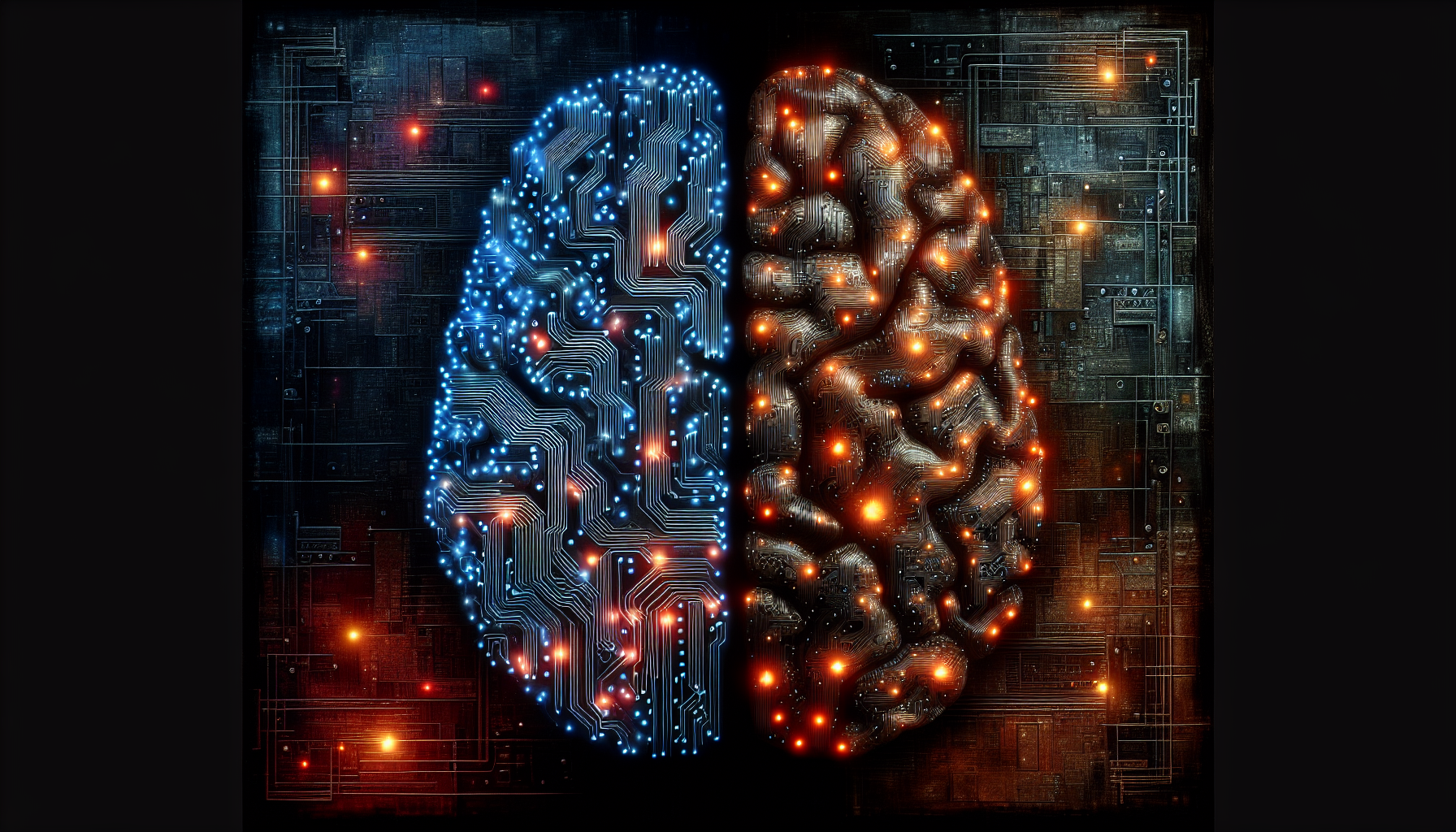
I’ve spent thirty years troubleshooting systems that shouldn’t work together but somehow do. Turns out, I’ve been living with one the whole time.
AuDHD—autism and ADHD occurring together—isn’t some trendy internet acronym. It’s a legitimate dual diagnosis that explains why some of us feel like we’re running Windows and Linux on the same machine simultaneously. Sometimes they complement each other beautifully; other times they fight for resources and crash the whole system.
The Hardware-Software Reality
Here’s what nobody tells you about having both conditions: they don’t cancel each other out. That’s like saying having both a race car engine and precision steering makes you drive normally. Instead, you get a brain that hyper-focuses on organizing your server rack for six hours straight, then completely forgets to eat lunch for three days running.
The autism side craves routine, predictable environments, and deep systematic thinking. Meanwhile, the ADHD side gets bored with routine, seeks novelty, and jumps between tasks like a caffeinated squirrel. It’s exhausting and oddly effective at the same time.
I realized something was up when I could spend weeks perfecting my home lab documentation system, color-coding cables and creating elaborate network diagrams, then completely lose track of basic life maintenance like paying bills or scheduling doctor visits. My special interests were laser-focused and methodical; everything else was chaos.
What the Diagnosis Actually Means
Getting diagnosed with AuDHD isn’t getting two separate conditions stapled together. Current research suggests they share underlying neurological differences, particularly in executive function and sensory processing. Think of it as having hardware that processes information through two different architectures simultaneously.
The autism component typically shows up as:
-
- Need for routine and predictability
-
- Intense special interests (hello, server configurations)
-
- Sensory sensitivities that make open offices feel like torture chambers
-
- Social communication differences that make small talk feel like debugging someone else’s undocumented code
The ADHD side brings:
-
- Attention regulation challenges (hyperfocus vs. complete inability to concentrate)
-
- Impulsivity that makes you order three different single-board computers at 2 AM
-
- Executive function struggles with time management and task switching
-
- Rejection sensitivity that makes code reviews feel personally devastating
The Masking Performance
Here’s where it gets complicated: many of us spent decades masking both conditions so well that we looked “normal” from the outside. I learned to script social interactions, built elaborate organizational systems to compensate for executive dysfunction, and channeled hyperfocus into career success.
The problem with masking is that it works until it doesn’t. I could maintain the performance during work hours, then come home completely drained, unable to handle basic decisions like what to make for dinner. The cognitive load of running two incompatible operating systems while pretending to be neurotypical is unsustainable.
Women and people assigned female at birth often get missed entirely because they’re socialized to mask more effectively. They internalize the executive function struggles as personal failures rather than neurological differences.
Living with Dual-Boot Brain
The practical reality of AuDHD means developing workflows that account for both sides of your neurology. I’ve learned to batch similar tasks during hyperfocus periods, build in buffer time for ADHD time blindness, and create sensory-friendly environments that support sustained attention.
Some days the autism side wins, and I can methodically work through server maintenance tasks with satisfying precision. Other days the ADHD takes over, and I’m simultaneously researching AI music generation, reorganizing my component drawer, and starting four different coding projects. Neither approach is wrong; they just require different management strategies.
The key insight is that you can’t fix AuDHD through willpower or productivity hacks alone. You have to design systems that work with your actual neurology, not against it.
What Actually Helps
Forget the generic advice about time management and organization. AuDHD brains need accommodations, not admonishments to try harder.
Environmental modifications matter more than motivational posters. Noise-canceling headphones, adjustable lighting, and dedicated workspace organization aren’t luxuries—they’re accessibility tools. I work better with multiple monitors, specific background music, and the freedom to pace during thinking time.
Routine flexibility sounds contradictory but makes perfect sense when you live it. I need structure loose enough to accommodate ADHD’s need for variety but predictable enough to satisfy autism’s need for security. Time-blocking with built-in buffer periods works better than rigid schedules.
The Real Takeaway
Getting diagnosed with AuDHD isn’t about collecting labels or making excuses. It’s about finally having an accurate technical manual for your own brain. You can stop trying to run software designed for completely different hardware and start building systems that actually work with what you’ve got.
The diagnosis gives you permission to stop pretending your brain works like everyone else’s. That’s not a limitation—it’s a specification sheet. And once you know the specs, you can finally build something that runs efficiently instead of constantly fighting thermal throttling.
Your mileage will vary, but understanding your actual operating system beats spending a lifetime wondering why the standard troubleshooting steps never seem to work.