The Diagnosis Doesn’t Come With a Trophy, It Comes With a Reckoning
When ADHD, anxiety, and autism get identified at 55, the first thing you feel isn’t relief. It’s grief for every decade that passed without the map.
Most people describe a broken system. Frank describes a broken *relationship* between systems. That difference isn’t stylistic. It’s structural, and it reveals something worth paying attention to.
Getting a late diagnosis for AuDHD doesn’t fix anything. But it does hand you a flashlight and point it backward at a life that never quite made sense.
Most productivity advice treats the 2AM idea machine like a malfunction. It isn’t. It’s a scheduling problem, and those have solutions.
The productivity world built its entire mythology around single-tasking. Turns out, for a meaningful slice of the population, that mythology was always wrong — and the people it was wrong about spent decades being told they were broken.
Getting diagnosed with AuDHD at 55 doesn’t rewrite your past. It just finally explains it, which is both a relief and its own kind of grief.
Getting a diagnosis at 55 doesn’t fix anything. But it does something almost as useful, it explains everything, and changes how you judge the person you used to be.
I spent five decades thinking everyone’s brain worked this way, constantly running, never fully quiet, always three problems ahead of the conversation. Turns out that’s not a personality trait. It’s a diagnosis.
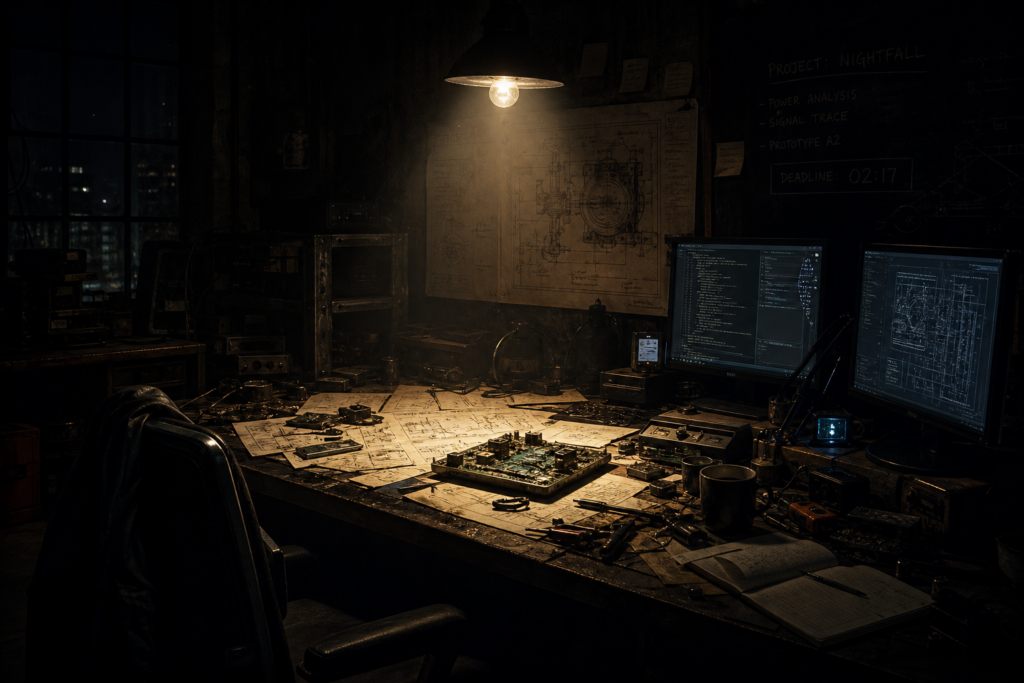
Most people see late-night server builds as a sleep problem. I’ve started thinking of mine as a scheduling solution — and the evidence backs me up.
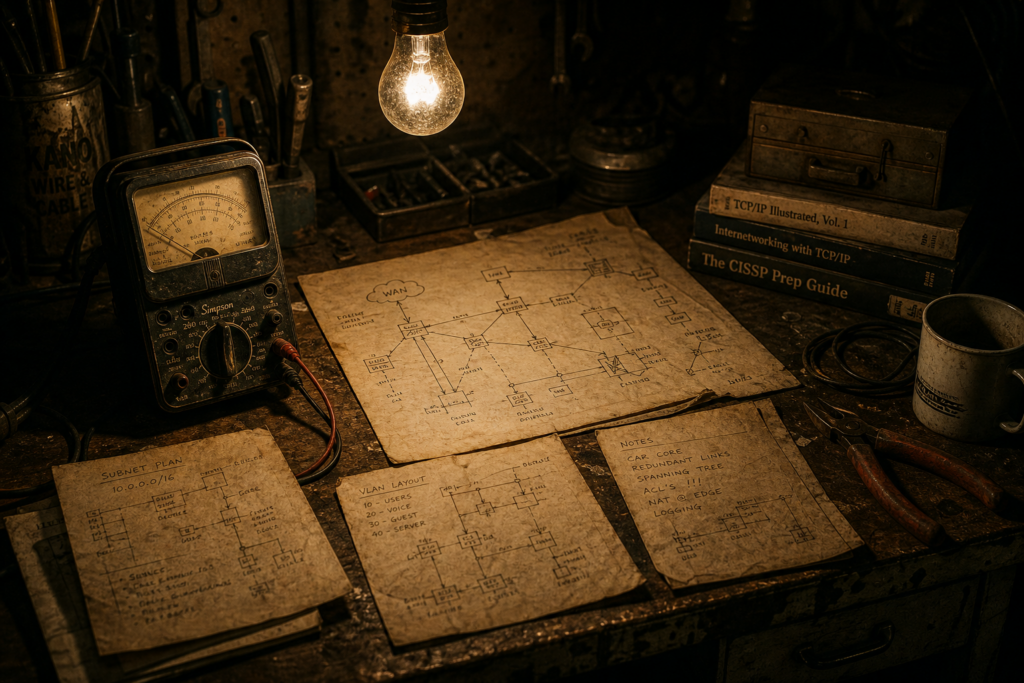
AuDHD hyperfocus isn’t a productivity tool you switch on. It’s more like a flash flood, and my homelab is the proof of what it leaves behind.