Frank
Frank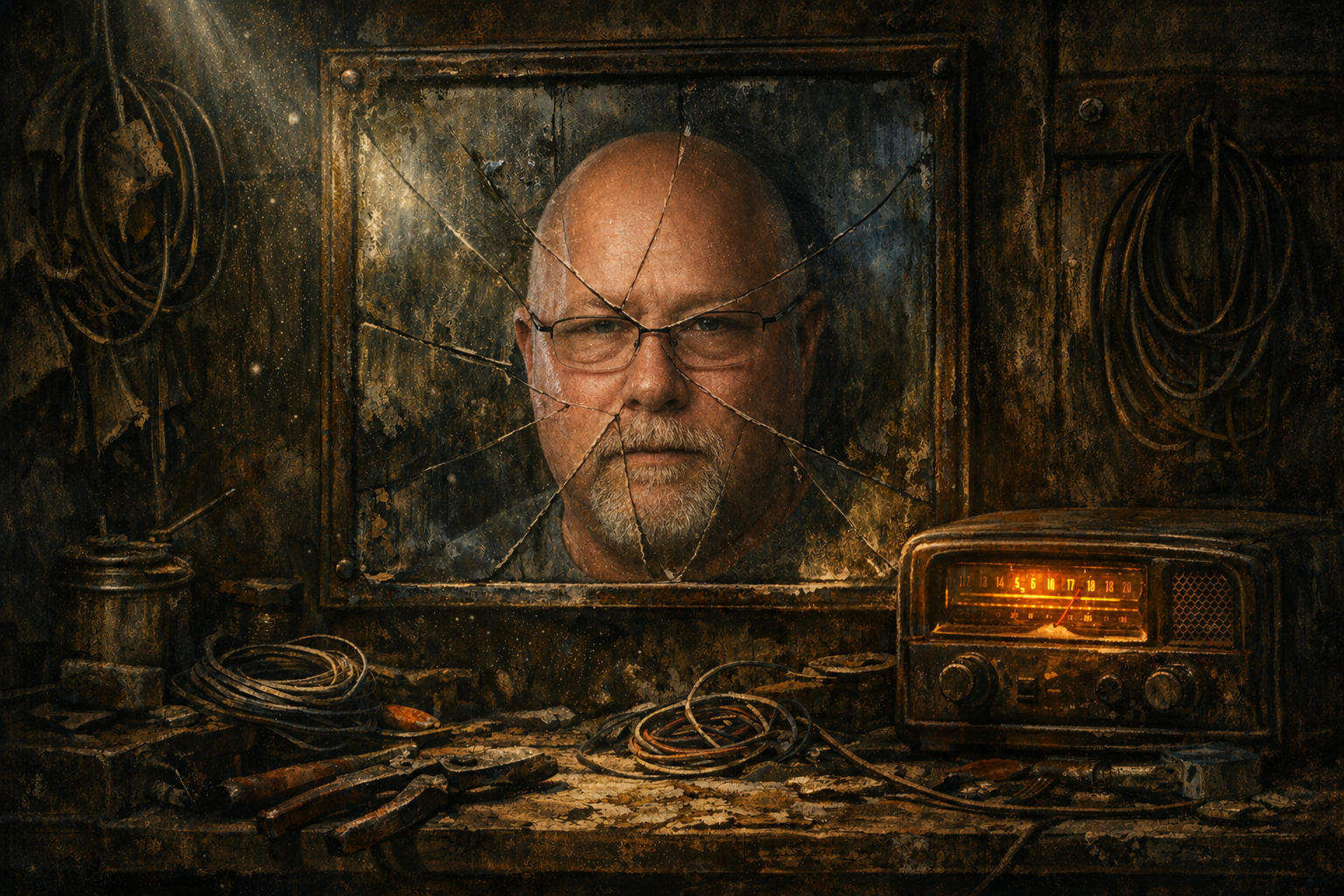
Here’s the thing nobody tells you about a late AuDHD diagnosis: it doesn’t fix anything. Not one damn thing. The anxiety is still there. The overwhelm is still there. The twenty browser tabs, the hyper focus rabbit holes at 2 AM, the total inability to let a noise go unnoticed, the conversations you’ve replayed in your head for thirty years wondering why they went wrong. All of it, still there.
What changes is the label on the box. And I’m still deciding whether that’s a gift or just a different kind of weight.
I’m 55 years old. I’ve been white-knuckling through life since I was old enough to remember having to white-knuckle through it. School was chaos. Relationships were complicated. Work was manageable only because I found a lane where the hyper focus actually produced something useful, namely IT, which rewards the kind of obsessive deep-dive thinking that gets you odd looks everywhere else. I thought I was just wired for stress. I thought the anxiety was a character flaw. I thought the way loud environments or sudden sensory overload could short-circuit my whole day was just me being soft.
It wasn’t any of that. But I didn’t know that until recently.
The Problem With Learning the Truth This Late
When you get a diagnosis at 55, the first emotion isn’t relief. It’s something closer to rage, and not the hot kind. The cold, quiet kind.
Because you start doing the math. You think about who you might have been with the right support at ten years old. Or twenty. Or thirty-five. You think about every time someone told you to calm down, to focus, to try harder, to stop being so sensitive to everything. You think about the jobs that were harder than they needed to be, the relationships that frayed at edges you didn’t understand, the years spent genuinely believing you were just broken in ways other people weren’t.
I lost my brother William in 1995. Violent, sudden, wrong in every way a thing can be wrong. That loss cracked something in me permanently, and I carried it the way you carry something when you have no idea you also have an undiagnosed anxiety disorder layered on top of grief layered on top of a nervous system that was already running hot. I wasn’t equipped. I didn’t know I wasn’t equipped. I just thought I was failing at recovery.
That’s the part that stings the hardest.
AuDHD, if you haven’t encountered it, is the overlap of Autism Spectrum Disorder and ADHD, two conditions that seem like opposites but coexist in ways that are genuinely exhausting. The ADHD wants novelty, wants to bounce, can’t hold attention on anything that doesn’t interest it. The autism wants predictability, wants systems, panics when the routine breaks. They fight each other constantly. The result is a person who can build a fully containerized home lab from scratch on a weekend, powered by pure hyper focus, and then completely fall apart because someone rearranged the mugs in the cabinet.
I am not being metaphorical.
I’m naturally skeptical of any framework that turns a real problem into a productivity hack. The internet has approximately four thousand listicles about “ADHD superpowers” and I find most of them embarrassing. Yes, some of the traits have upsides. The hyper focus is real and it has served me well professionally. But framing a disability as a superpower to make people feel better doesn’t help anyone actually navigate the parts that are genuinely hard, the sensory overload, the rejection sensitivity, the executive dysfunction, the social exhaustion that follows even a good day around people.
The honest state of things right now is this: late diagnosis is becoming more common, the clinical understanding is better than it was, and the support systems for adults are still largely built around the assumption that you caught this at eight years old. You mostly didn’t.
What you can do is stop explaining your wiring as a personal failing. That part, at least, I’m working on.