Frank
Frank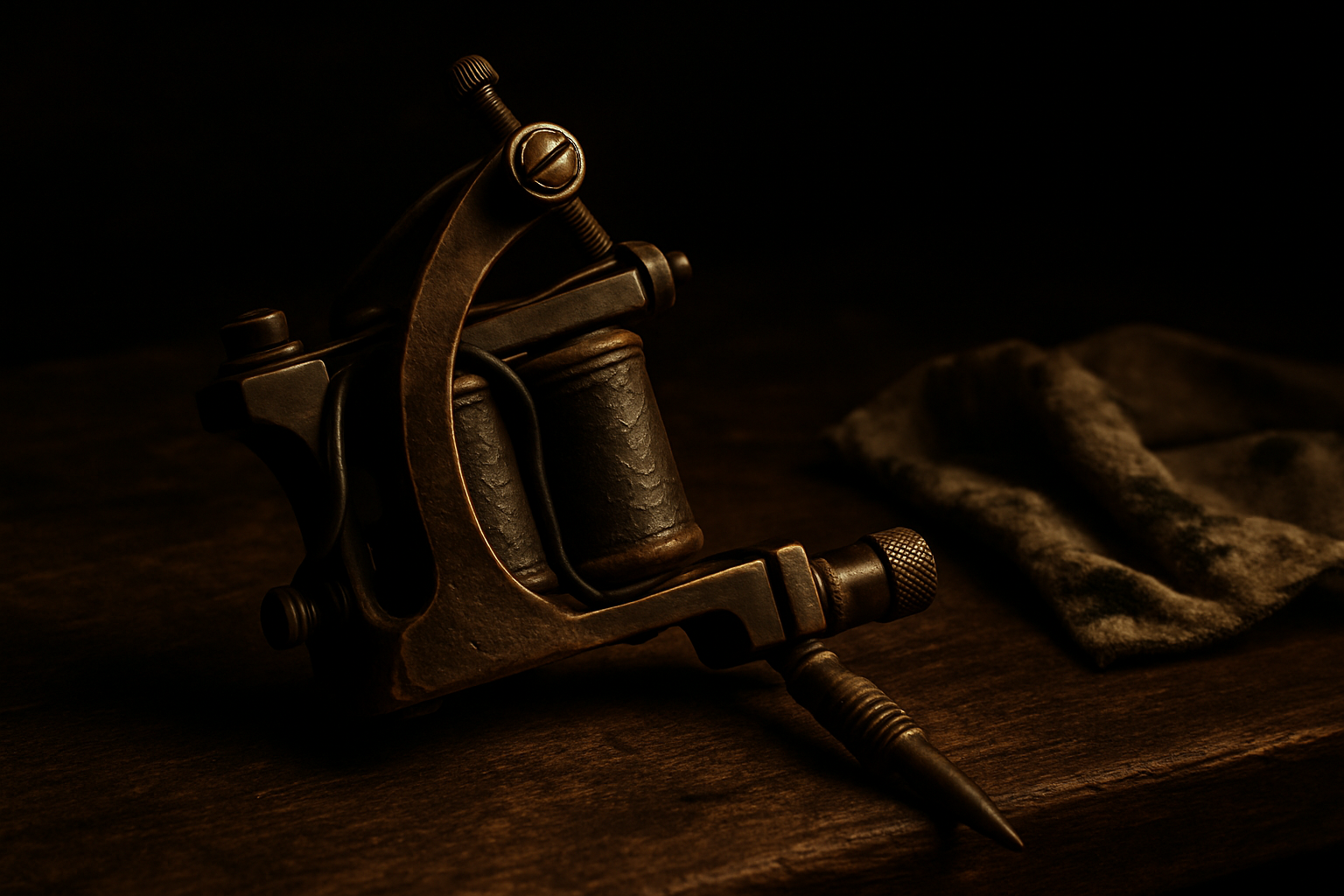
Samuel O'Reilly invented the electric tattoo machine in 1891, patented it, and then watched every shop in New York steal his idea because he forgot one thing.
The Story
Samuel O'Reilly was a tattoo artist working out of a Chatham Square shop in lower Manhattan in the late 1800s. Tattooing at that point was slow, painful, and inconsistent. Artists used hand-poking methods that took forever and wore out the client before the piece was half finished. O'Reilly looked at Thomas Edison's autographic printing pen, which punched holes in paper using a small electric needle, and had one thought: that thing could punch ink into skin.
So he modified it. Changed the tube, added an ink reservoir, adjusted the needle configuration. Filed a patent in December 1891 and became the first person to hold a patent on an electric tattoo machine. He had just changed tattooing forever. The problem is he kept working as a tattoo artist. He didn't manufacture the machine aggressively. He didn't license it properly. He ran a shop.
His student, Charlie Wagner, took the design, made small modifications, filed his own patents, and built a business selling machines to every artist in the country. A guy named Percy Waters did the same thing and turned it into a mail-order catalog empire. O'Reilly died in 1908. Wagner and Waters made fortunes off a wheel O'Reilly invented.
The man who created the tool that built the modern tattoo industry spent his career using the tool instead of selling it.
The Hidden Principle
There is a brutal difference between inventing something and owning something. O'Reilly thought like a craftsman, not an architect. He built a machine to make his own work better, not to build an industry. That's a completely understandable instinct. It's also the reason someone else got rich off his brain.
The hidden principle here is this: the person who creates the standard rarely captures the value of the standard. They're too busy using it. The person who shows up second, packages it, and sells it to everyone else, that's who ends up in the history books with money attached to their name.
What This Means Today
Y'all see this constantly in tech. The person who writes the open-source library that half the internet runs on is usually some developer working a regular job somewhere. They built the thing because they needed it. Then a company wraps it in a GUI, slaps a subscription on it, and sells it back to the world for $49 a month. The builder got a GitHub star. The packager got a valuation.
This isn't about being cynical. It's about being honest with yourself when you build something. Ask whether you're solving your own problem or building something the whole market needs. Those are two different jobs, and they require two completely different mindsets. O'Reilly was great at one. He never even attempted the other.
Building the tool and owning the tool are two separate decisions, and most people only make one of them.