I was cleaning out my old software collection last weekend when it hit me like a brick to the head. There, stacked in a dusty corner of my home office, sat about 200 pounds of software boxes, manuals, and CDs. Real, honest-to-goodness software that I bought, owned, and could install whenever I damn well pleased.
Those days are deader than last year’s iPhone.
Everything You “Buy” Is Actually a Rental
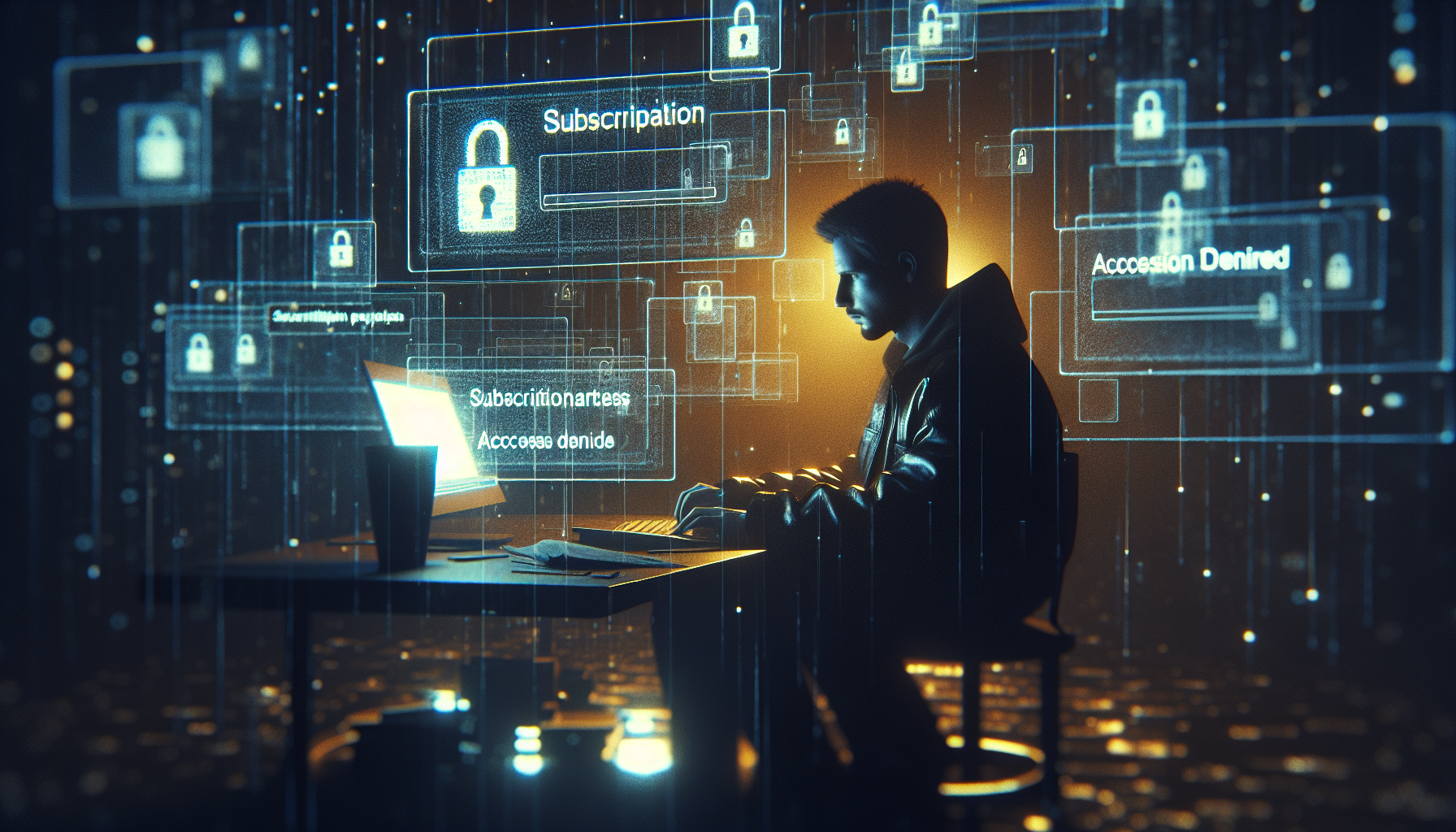
Let’s get one thing straight: you don’t own anything digital anymore. That $300 copy of Microsoft Office? Nope, that’s $10 a month for the rest of your productive life. That massive Steam library you’ve been building? Valve can yank your access anytime they feel like it. Even that Kindle full of books isn’t really yours; Amazon has already proven they’ll delete books right off your device when publishers get cranky.
The shift happened so gradually that most folks didn’t notice. One day we were buying software in boxes, the next we were “subscribing” to everything. Companies figured out the holy grail of revenue: instead of selling you something once, they could rent it to you forever.
Smart business? Absolutely. Good for consumers? Not by a long shot.
The Subscription Trap Gets Deeper Every Year
I did the math on my own subscriptions last month, and it scared me straight. Between software, streaming services, cloud storage, and various apps, I’m dropping over $300 a month on digital rentals. That’s nearly $4,000 a year for stuff that disappears the moment I stop paying.
Compare that to Microsoft Office 2013. You bought it once, it worked for years, and it kept on working. Under Microsoft 365, that same functionality runs you $100 a year minimum, and that’s just for personal use. A family plan or business license pushes it considerably higher. Microsoft didn’t reinvent the spreadsheet; they just figured out how to charge you for it every single year until you die.
The real kicker? Most people are using maybe 20% of what they’re paying for. You’re running Word and Excel. Maybe Outlook. The rest of that suite might as well not exist for the average user, but you’re paying for all of it every month regardless.
One-Time Purchase vs. Subscription: The Real Cost of "Progress"
When “Owning” Means Nothing
The gaming industry shows just how hollow digital ownership has become. I’ve got games in my Steam library from 2004 that still run fine, but I’ve also watched games disappear because licensing deals expired or servers got shut down. Remember when you could loan a game to a friend? Good luck doing that with your Steam account.
Physical media isn’t much better anymore. Buy a Blu-ray and you’ll spend five minutes watching unskippable warnings about piracy before you can watch the movie you legally purchased. Meanwhile, the pirates are already watching it without any of that nonsense.
Even cars are getting the subscription treatment now. BMW tried to charge a monthly fee for heated seats, Ford wants you to pay extra for remote start, and Tesla can disable features with a software update. You’re making payments on a car that the manufacturer can partially lobotomize from thousands of miles away.
The Real Cost of Convenience
Here’s what really gets under my skin: we traded ownership for convenience, and now we’re losing both.
Software updates break more things than they fix. Cloud services go down and take your productivity with them. Streaming platforms rotate content like a carousel, so that show you wanted to rewatch might not be there next month. The “convenience” of always having the latest version becomes a liability when the latest version is garbage.
I keep a local music library because I got tired of songs disappearing from Spotify without warning. I maintain offline copies of important documents because I don’t trust cloud services to be there when I need them. Call it paranoid, but I’ve been in IT long enough to know that everything fails eventually.
Fighting Back Against the Rental Economy
You can’t completely escape the subscription model, but you can be smarter about it. I’ve started treating subscriptions like gym memberships; sign up when you need them, cancel when you don’t. Netflix gets cut loose between seasons of shows I care about.
For software, I look for alternatives that still respect ownership. DaVinci Resolve beats Premiere Pro for video editing and costs nothing. GIMP handles 90% of what most people need Photoshop for. LibreOffice works fine for the vast majority of everyday tasks and it costs exactly zero dollars a month. If you don’t need real-time collaboration or deep Microsoft ecosystem integration, there’s no good reason to be on a Microsoft 365 subscription at home.
Buy physical media when it matters. Keep local backups of important files. Support companies that still sell software instead of renting it.
The Bottom Line
The subscription economy isn’t going anywhere, but that doesn’t mean you have to be a sucker about it. Every monthly charge should earn its keep, and every service should be cancelled the moment it stops providing real value.
We let companies convince us that renting everything was progress, but progress for who? Not for the people paying the bills every month for software that used to be a one-time purchase.
Your wallet will thank you for being pickier about what subscriptions you actually need. And maybe, just maybe, companies will start remembering that customers who own things tend to be happier than customers who rent everything.
 Frank
Frank