Frank
Frank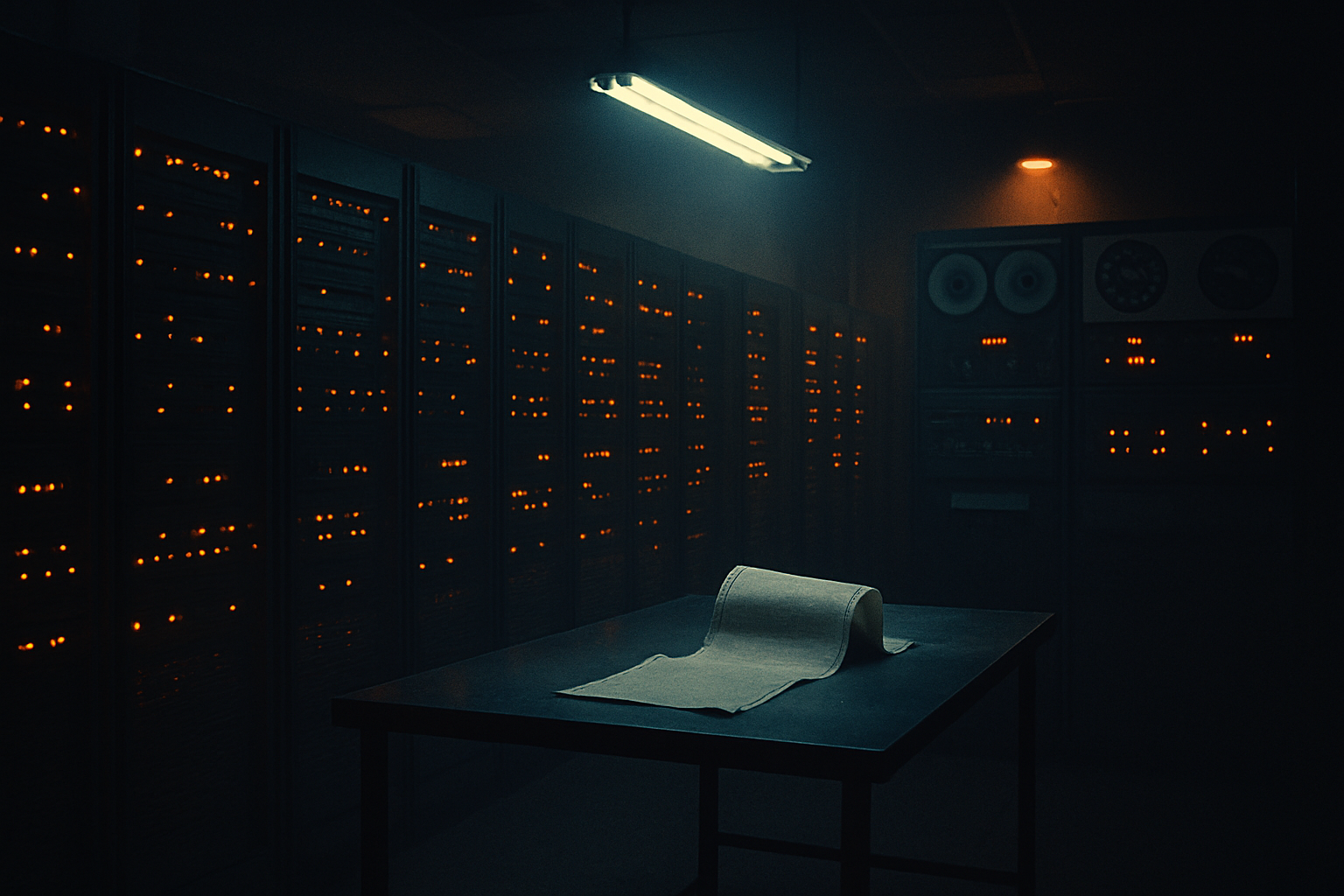
In 1980, a single missing hyphen in a Bell Labs routing table knocked out long-distance phone service across the entire eastern United States, and nobody knew why until a technician noticed the code looked "a little off."
The Story
Bell Labs ran the phone network like a Swiss watch. Thousands of engineers, decades of infrastructure, and more redundancy than most governments had. In October 1980, the whole eastern seaboard lost long-distance service. Millions of calls dropped. Businesses went dark. And the root cause was one hyphen. Missing. In a routing update script.
The script had been tested. It passed review. It deployed cleanly with no error flags. The system accepted it, processed it, and then quietly started routing calls into a loop that went nowhere. The network didn't crash loudly. It just stopped working in a way that looked, at first, like a hardware problem. Engineers spent hours chasing ghosts in the physical infrastructure while the real culprit sat right there in the code, hiding in plain sight.
Here's the thing that still gets me. The system was sophisticated enough to accept a broken instruction without complaint. It didn't throw an error. It didn't alert anyone. It just did exactly what it was told, which was nothing useful, and it did it at massive scale, automatically, across every connected switch in the region. The intelligence of the system was precisely what made the failure invisible.
They fixed it in about 20 minutes once they found it. Twelve hours of chaos. One hyphen.
The Hidden Principle
Complex systems don't fail loudly. They fail quietly, and they fail in ways that look like something else entirely. The more automated and "intelligent" a system gets, the better it is at hiding the exact moment it went off the rails. That's not a paradox, that's just physics. Complexity creates distance between cause and effect.
The missing hyphen didn't break the system. The system's confidence in itself is what broke everything. It trusted its own instructions without verification. And nobody had built in a way for it to say "wait, this doesn't make sense." That gap between capability and judgment is where every catastrophic tech failure lives.
What This Means Today
This plays out every single day in modern infrastructure. A misconfigured Kubernetes node. A regex pattern with one wrong character. An AI model that confidently hallucinates a fake API endpoint and writes it into production code that nobody reads carefully because, hey, the AI generated it. The tooling gets more powerful, the blast radius gets bigger, and the feedback loop gets slower. That's the trade nobody talks about when they're selling you on automation.
The principle is this: the smarter your stack gets, the harder it becomes to see when it's quietly doing something catastrophically wrong. Oversight isn't a burden on an intelligent system. It's the only thing that makes an intelligent system worth trusting.
The system that never complains is the one you should be most afraid of.