
Hyperfocus Built Every App I’ve Ever Made and Destroyed Every Schedule I’ve Ever Kept
Hyperfocus isn’t a superpower or a curse. It’s a fire hose. Sometimes you’re fighting a blaze. Sometimes you’re just wet and confused in your own kitchen.
Living life diagnosed at 55 with AuDHD. I have been overwhelmed by feelings of regret and "what-if" about my life and experiences if I had been diagnosed when the issues first became noticeable at around age 12-13 / 7th grade
Hyperfocus isn’t a superpower or a curse. It’s a fire hose. Sometimes you’re fighting a blaze. Sometimes you’re just wet and confused in your own kitchen.

Standard wellness advice is built for a nervous system that isn’t yours. Here’s what actually works when you’re AuDHD and already running at 90% capacity before the day even starts.

For decades I passed as a functional, competent adult. Turns out the energy cost of that performance was running a background process that never shut down, and I didn’t even know it was there.

My brother William was a Baldwin County Deputy Sheriff. He was killed in the line of duty on December 17th, 1995. I was 25 years old, and I have never been the same person since.

When ADHD, anxiety, and autism get identified at 55, the first thing you feel isn’t relief. It’s grief for every decade that passed without the map.

Getting a late diagnosis for AuDHD doesn’t fix anything. But it does hand you a flashlight and point it backward at a life that never quite made sense.
 Guest Contributor
Most productivity advice treats the 2AM idea machine like a malfunction. It isn’t. It’s a scheduling problem, and those have solutions.
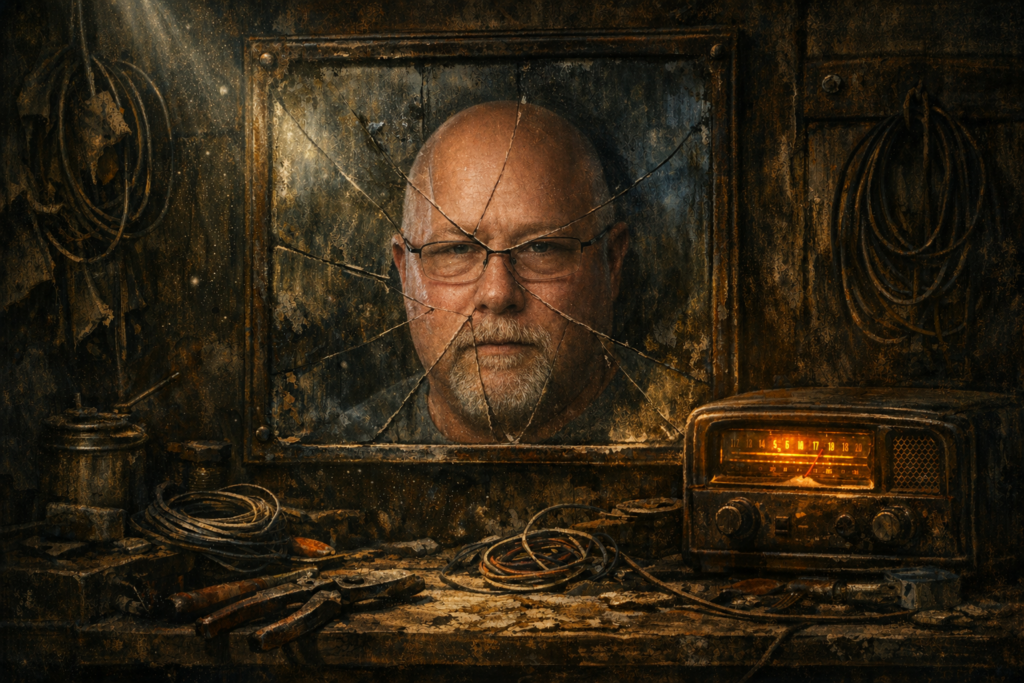
Getting diagnosed with AuDHD at 55 doesn’t rewrite your past. It just finally explains it, which is both a relief and its own kind of grief.

Getting a diagnosis at 55 doesn’t fix anything. But it does something almost as useful, it explains everything, and changes how you judge the person you used to be.

I spent five decades thinking everyone’s brain worked this way, constantly running, never fully quiet, always three problems ahead of the conversation. Turns out that’s not a personality trait. It’s a diagnosis.