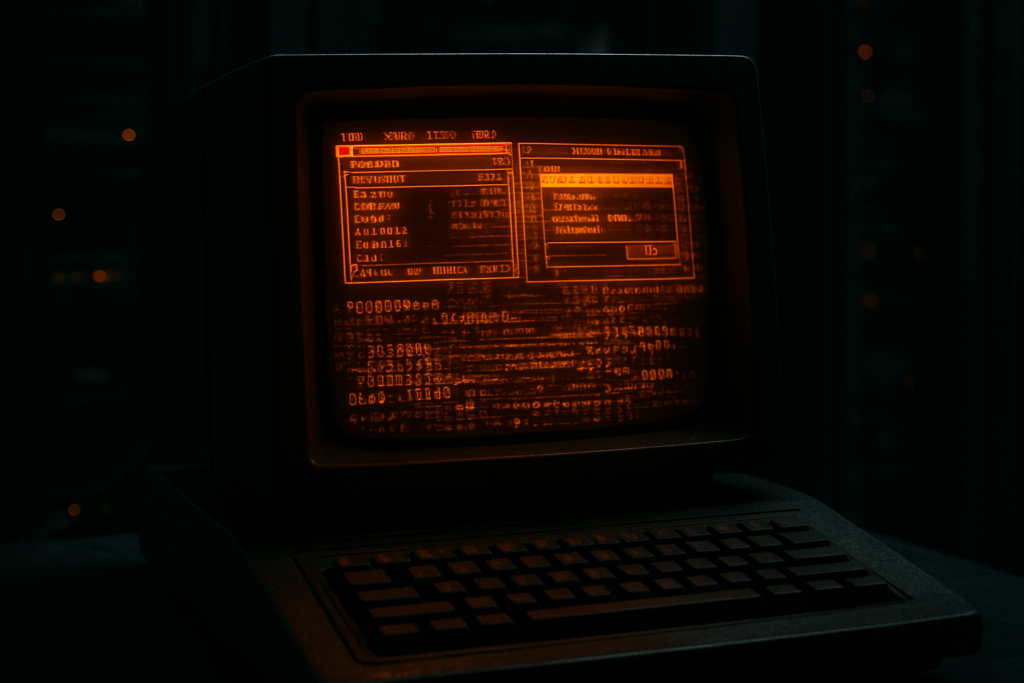
3 AM Is When My Brain Finally Gets Quiet Enough to Build Something Real
Most people see late-night server builds as a sleep problem. I’ve started thinking of mine as a scheduling solution — and the evidence backs me up.
Executive dysfunction doesn’t care how capable you are. It targets the start of things, not the ability to do them, and for people in high-stakes technical roles, that gap between knowing and beginning can quietly hollow out everything you think you know about yourself.
Five years ago I was busy every single evening and had almost nothing to show for it. Turns out there’s a difference between working on things and working toward something.
Most people pick a tattoo artist the way they pick a restaurant on a Tuesday night, whoever’s available and has decent reviews. After six tattoos and one more going on today, I can tell you that approach is how you end up with permanent regret.
AuDHD hyperfocus isn’t a productivity tool you switch on. It’s more like a flash flood, and my homelab is the proof of what it leaves behind.
Every April, something happens at Augusta National that has nothing to do with birdies or bogeys. It’s the only place I know where the world actually gets quiet.
I’ve worn a lot of labels over the decades: hardware guy, IT veteran, self-taught coder, grandfather. None of them tell the whole story, and some of them are starting to feel like clothes that don’t fit anymore.
I got an AuDHD diagnosis at 54. Not because something was wrong, but because I finally had a name for everything that had always been exactly this way.
Seven Royal Caribbean cruises, and the hardest part was never the packing. It was figuring out how to be a person who isn’t useful for a week.
I spent 55 years running on a brain nobody had a name for. Turns out it built something real anyway — but not without a cost worth being honest about.