The Hemi ‘Cuda Wasn’t Built to Win a Debate. It Was Built to End One.
Plymouth didn’t engineer the 1970 Hemi ‘Cuda to be reasonable. They engineered it to make anyone within earshot understand exactly where they stood in the hierarchy.


I spent 55 years being exhausted without knowing why. Turns out I was running a performance in the background 24 hours a day, and the terrifying part isn’t that I was doing it, it’s that I got so good at it I couldn’t even see it anymore.
The math isn’t complicated. Two hundred grams of protein a day sounds like a plan until it’s 9 PM and you’ve had sixty. That’s not a knowledge problem. That’s a systems problem.
Jimmy Jam and Terry Lewis weren’t just producing hits in the 1980s – they were engineering a specific kind of tension that most modern AI music tools can’t even recognize as a goal, let alone achieve.
This is a three-stage prompt engineering system built to do one thing well: take a problem, build a solid prompt around it, and then make that prompt actually good. The…
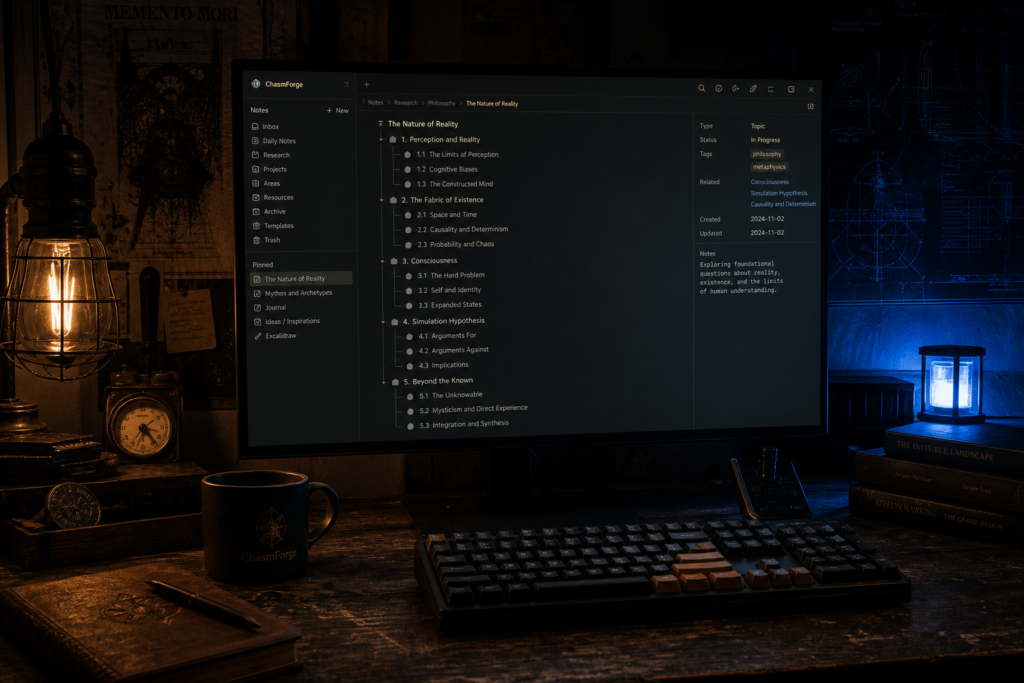
I’ve been using Trilium Notes for years to manage everything from homelab documentation to music catalogs, and every time I mention it at work, I get the same blank stare. That’s not Trilium’s problem.
In 1968, a Major League pitcher deliberately stopped trying to strike batters out, and it turned him into the most dominant arm in the American League.
The internet has a universal answer to “what gun should I carry?” and that answer is wrong for most of the people asking it. The right question isn’t what gun, it’s what fits, and that’s a much harder thing to figure out.
Flash was a sixteen-year-old Miniature Dachshund who got put down on December 22, 2025, and Oakley is a five-year-old German Shepherd who is a completely different animal in every sense of the word. Neither one of them is a replacement for the other, and that’s not a problem to solve.
Boredom was never the enemy. For most of human history, idle time quietly powered memory consolidation, creative insight, and empathy through the brain’s default mode network. Smartphones and algorithmic feeds have colonized those cognitive gaps, training our brains away from depth and sustained thought. Frank argues we didn’t fix boredom — we amputated it, and we’re only beginning to feel what’s gone.